
Blog
How Do I Choose the Best Window Film for Me? A Simple, No-Stress Guide

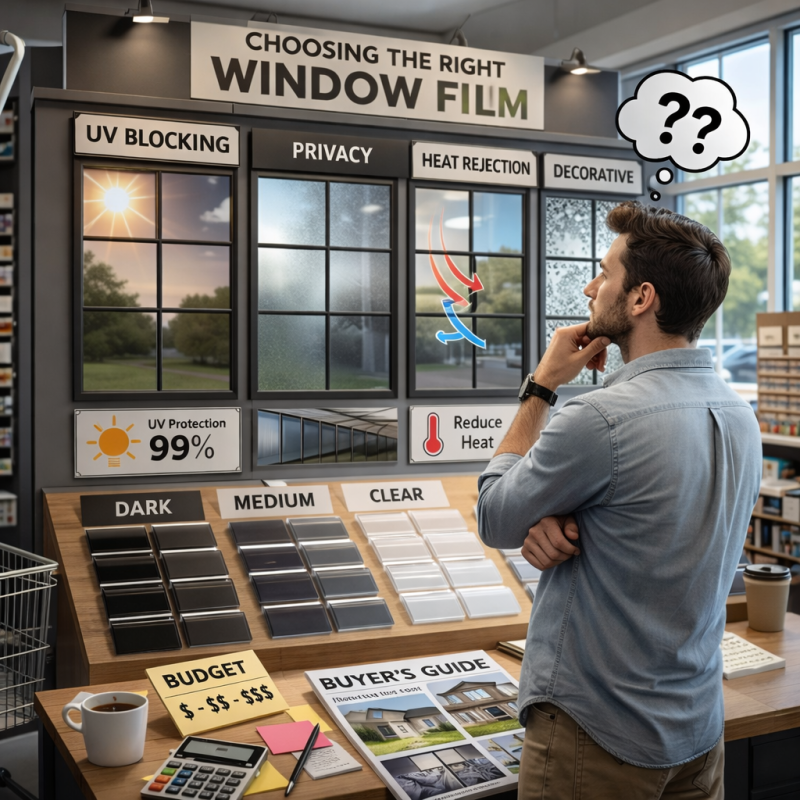
How Do I Choose the Best Window Film for Me? A Simple, No-Stress Guide
Choosing window film shouldn’t feel complicated — but with so many options available, it’s easy to feel unsure about what’s right for you.
Are you trying to keep your car cooler? Add privacy to your office? Reduce glare at home?
This reader-friendly guide will help you choose the best window film for your needs — without the technical overwhelm.
First: What Do You Actually Want to Fix?
Before looking at percentages and film types, ask yourself one simple question:
What problem am I trying to solve?
☀️ If Heat Is Your Biggest Issue
If you step into your car and feel like you’ve opened an oven — heat rejection should be your top priority.
Look for:
- High infrared (IR) heat rejection
- High total solar energy rejection (TSER)
- 99% UV protection
👉 Ceramic window film is usually the best option for serious heat reduction without making your windows too dark.
Perfect for:
- Hot climates
- Daily drivers
- Homes with lots of sun exposure
😎 If Glare Is Driving You Crazy
Struggling to see your screen at work? Squinting while driving in the afternoon sun?
A glare-reducing window film softens harsh sunlight while still allowing natural light in.
Great for:
- Office spaces
- Home offices
- Vehicles with large windscreens
🔒 If Privacy Is What You Want
Privacy films are ideal if you don’t want people seeing inside your car, home, or office.
Options include:
- Darker tinted films
- Reflective (mirror-style) films
- Frosted or sandblast films (popular for offices and bathrooms)
Privacy film is especially popular in commercial spaces where you want discretion without blocking light.
🛡 If Safety & Protection Matter Most
Security window film is thicker and designed to hold shattered glass together.
It’s ideal for:
- Shopfronts
- Ground-floor offices
- Homes
- Vehicles needing added protection
It doesn’t make glass unbreakable — but it makes it much harder to smash and grab.
Understanding Window Film Percentages (Without the Confusion)
When you see 5%, 20%, or 35%, that refers to Visible Light Transmission (VLT) — how much light passes through the film.
Here’s the easy breakdown:
- 5% – Very dark (maximum privacy)
- 20% – Dark but still visible from inside
- 35% – Medium shade (very popular choice)
- 50%+ – Light tint, high clarity
💡 Important: Darker does NOT always mean better heat rejection. A lighter ceramic film can block more heat than a darker basic film.
Different Types of Window Film (Made Simple)
Here’s what you really need to know:
1️⃣ Dyed Film
Affordable and basic. Good for appearance, moderate performance.
2️⃣ Metalized Film
Good heat rejection but can interfere with GPS, radio, and cellphone signals.
3️⃣ Carbon Film
Stronger performance, won’t fade easily, no signal interference.
4️⃣ Ceramic Film (Premium Option)
Best heat rejection
No signal interference
Long-lasting clarity
Higher upfront cost — but better long-term value
If your budget allows, ceramic film is usually the smartest investment.
Don’t Forget Legal Limits (Especially for Cars)
Automotive window tint laws regulate how dark your windows can be — especially on front side windows and windscreens.
Always check local regulations before choosing a very dark tint.
Installing film that’s too dark can lead to fines or being forced to remove it.
Cheap vs Quality: Why It Matters
Cheaper window film may:
- Fade purple
- Bubble or peel
- Have little to no warranty
- Provide weaker heat rejection
Higher-quality film (SFF):
- Lasts longer
- Maintains clarity
- Performs better in extreme heat
- Comes with a solid warranty
Window film is a long-term investment in comfort and protection.
Quick Guide: Which Film Is Right for You?
| If You Want… | Choose… |
|---|---|
| Maximum heat reduction | Ceramic film |
| Budget-friendly tint | Dyed or carbon film |
| Daytime privacy | Reflective or darker tint |
| Office privacy | Frosted / sandblast film |
| Extra protection | Security film |
Final Thoughts: The Best Window Film Is the One That Solves Your Problem
There’s no one-size-fits-all answer.
The best window film for you depends on:
- Your environment
- Your budget
- Your comfort level
- Your privacy needs
- Your local tint laws
If possible, visit a professional installer who can demonstrate heat rejection and let you compare shades side-by-side. Seeing and feeling the difference makes the decision much easier.
Know what you want? Shop online now – Automotive Window Film or Architectural Window Film
Need assistance in selecting the right window film for you?
Get in touch – +27 31 573 9000 | info@sff.co.za
Here’s more about SFF and what we offer – SFF Company Profile