
Blog
Protecting High-Traffic Architectural Surfaces in a Premium Office Environment using PPF

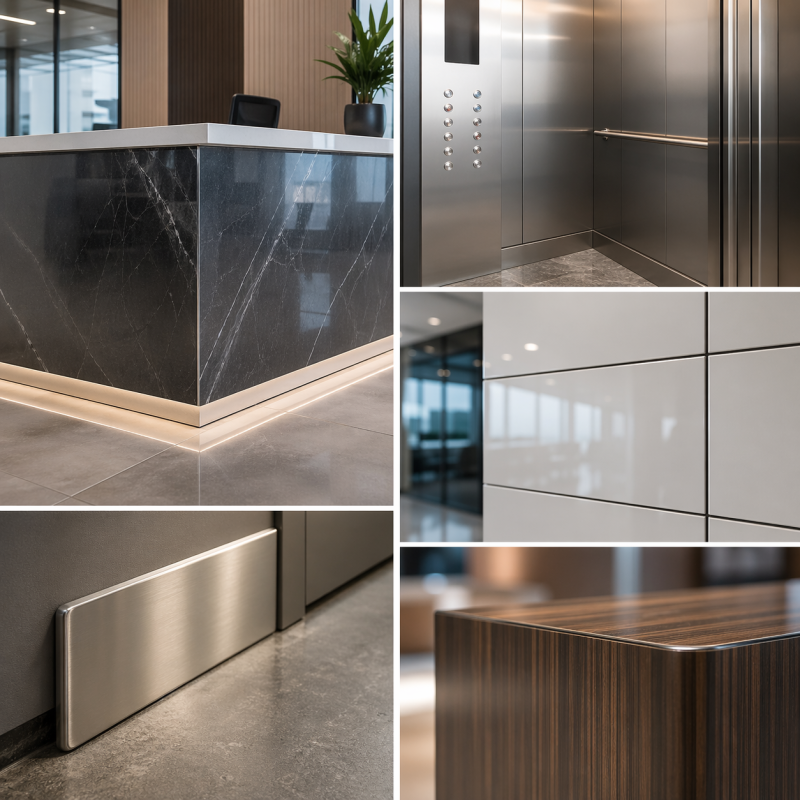
Premium architectural interiors are designed to create lasting impressions. But in busy commercial environments, surfaces like lift panels, reception counters, decorative wall cladding, and stainless steel finishes often begin to show wear far sooner than expected.
Architectural Paint Protection Film (PPF) provides a discreet, cost-effective solution to preserve these surfaces — helping buildings maintain their appearance while reducing maintenance costs over time.
Originally developed for automotive paint protection, PPF is now widely specified by architects, developers, and facility managers to extend the lifecycle of high-value interior finishes.
What Is Paint Protection Film?
Paint Protection Film (PPF) is a transparent, durable protective surface layer applied to vulnerable building materials to prevent visible wear and damage.
Once installed, it helps protect against:
- scratches and abrasion
- scuff marks from foot traffic and equipment
- cleaning-related surface wear
- minor impacts
- staining and surface dulling
Because it is optically clear, PPF preserves the original design intent of architectural materials while improving their durability.
A Real-World Scenario: Why Buildings Need PPF
Imagine a newly completed corporate office building.
Within months of occupation:
- employees move through lift lobbies with bags and equipment
- visitors check in at reception counters
- delivery carts pass through corridors daily
- cleaning teams maintain high-touch surfaces
- furniture shifts inside meeting rooms and shared spaces
Soon, the facility manager notices early signs of damage:
- scratches on elevator interiors
- scuffs on decorative wall cladding
- wear marks on stainless steel panels
- dulling on reception desks
- impact damage near entrances
Replacing these finishes repeatedly is expensive and disruptive.
Instead, applying Paint Protection Film creates a protective barrier that keeps surfaces looking new for longer — without changing their appearance.
Where Paint Protection Film Is Most Effective
Architectural PPF is ideal for high-contact areas where visible wear typically occurs first:
- lift interiors and elevator doors
- reception desks and counters
- stainless steel wall panels
- decorative laminates and cladding
- glass partitions in impact zones
- hotel corridors and passageways
- retail display fixtures
- commercial entrance areas
Protecting these surfaces early significantly reduces long-term refurbishment costs.
Key Benefits of Paint Protection Film
Preserves Premium Interior Finishes
Materials such as brushed stainless steel, gloss laminates, marble counters, and decorative panels maintain their original appearance despite daily use.
Reduces Maintenance and Replacement Costs
Instead of replacing damaged surfaces, only the protective film needs renewal when necessary.
Maintains a “New Build” Look for Longer
Architectural PPF helps buildings retain their high-end appearance — improving tenant satisfaction and visitor experience.
Protects High-Traffic Impact Zones
Ideal for environments with continuous movement, including offices, hospitals, hotels, and retail centres.
Provides Invisible Surface Protection
PPF enhances durability without affecting colour, texture, or architectural aesthetics.
Industries That Benefit Most from PPF
Paint Protection Film is increasingly specified across multiple sectors:
- commercial office buildings
- retail environments and shopping centres
- hospitality interiors and hotels
- healthcare facilities
- educational campuses
- residential developments
- airports and transport hubs
Anywhere people interact with surfaces daily, protective film improves longevity and appearance.
Why Architects and Facility Managers Are Specifying PPF More Frequently
Architectural Paint Protection Film supports long-term asset preservation strategies by protecting finishes before damage occurs.
Instead of reacting to wear after installation, building teams can:
- extend the lifecycle of expensive materials
- reduce refurbishment frequency
- maintain consistent interior presentation
- protect investment in premium finishes
- minimise operational disruption from repairs
This makes PPF a practical addition to modern building specification planning.
A Smarter Alternative to Replacing Damaged Interior Surfaces
Replacing scratched panels, worn counters, or damaged cladding is costly and time-consuming. Protective film offers a proactive solution that keeps interiors looking professional from day one.
Architectural Paint Protection Film isn’t just a maintenance product — it’s a long-term surface preservation strategy for modern buildings.
For architects, developers, and facility managers focused on durability, aesthetics, and lifecycle cost control, PPF is becoming an essential specification tool in high-performance interior environments.
Get in Touch
For trade pricing, bulk supply, or expert advice:
📍 514 Chris Hani Road, Durban North
🌐 www.sff.co.za
📧 info@sff.co.za
📞 031 573 9000