

Blog
How Automotive Window Film Helps Reduce Heat and Glare While Driving

How Automotive Window Film Helps Reduce Heat and Glare While Driving
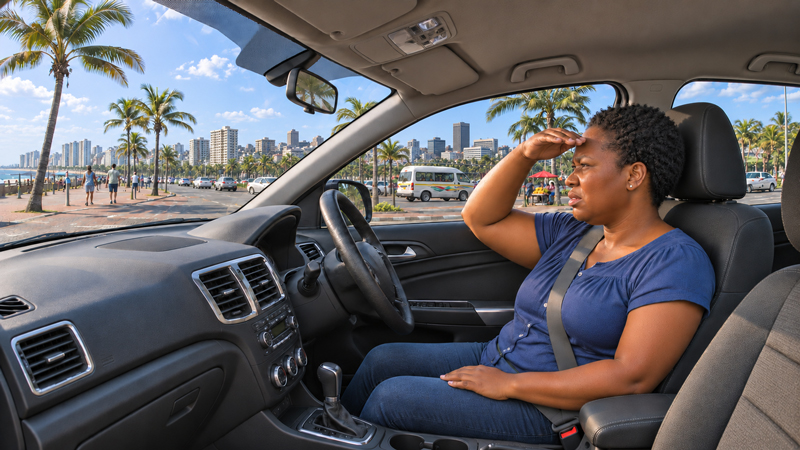
Drive the same route at different times of day and you’ll notice how much the angle of the sun changes your commute. A road that felt comfortable in the morning can leave you squinting on the way home. Lowering the visor helps when the sun is ahead, but it offers little relief when afternoon light pours through the driver’s side window.
Automotive window film can help with both the brightness you see and the heat you feel. When choosing a window tint for your car, it helps to consider those two concerns separately. The shade that feels easiest on your eyes may differ from the film that offers the heat rejection you want.
How does window film reduce heat inside a car?
Sunlight carries energy through vehicle glass, warming the cabin and the surfaces it reaches. You might feel it most on your forearm during a long drive or on the sun-facing side of the car while waiting in a school pickup queue. Solar-control window film helps reduce the amount of that energy that passes through treated glass.
When comparing films, look for total solar energy rejected (TSER) on the product data sheet. A higher TSER indicates greater overall solar energy rejection when films are tested under comparable conditions. This figure gives you a better basis for comparing heat performance than judging two tint samples by eye. It describes the performance of the glazing and film together, so a TSER percentage should never be read as the percentage by which your cabin temperature will drop.
How does automotive window tint reduce glare?
Glare can be especially noticeable when the sun sits low beside you. Tinted automotive window film reduces the amount of visible light passing through the treated window, which can soften harsh side light and make a bright journey more comfortable.
The figure to check here is visible light transmission (VLT). A lower VLT means less visible light passes through. That can help with daytime brightness, but it also affects how much you can see through the same window after sunset. If your afternoon commute regularly turns into an evening drive, tell your installer before choosing a shade.
Does a darker car tint keep the cabin cooler?
A darker appearance alone tells you very little about a film’s overall heat rejection. Two automotive films can look similar on a sample card and still have different solar performance. Equally, a lighter film may offer the balance you want if heat is your main concern and you prefer a brighter view through the side windows.
| What matters most to you? | What to compare |
|---|---|
| Less heat on long afternoon drives | Compare TSER figures for films tested on the same type of glass. |
| Less brightness through the side windows | Compare VLT and the stated glare reduction. Ask to see samples in daylight. |
| Comfortable visibility after dark | View the shade from inside a vehicle and discuss your evening driving conditions with your installer. |
| A particular shade on factory-tinted glass | Ask your installer to assess the existing glass and check the combined light transmission for the window being treated. |
Choosing SFF’s automotive window film for your vehicle
Start with the moment on your drive that bothers you most. “My right arm gets hot on the way home, but I still want a clear view when I reverse into my driveway at night” gives an installer more to work with than simply asking for a dark tint. It helps them narrow the options by heat rejection, glare reduction and visibility.
View your options here
SFF supplies automotive window film to installers and dealerships. Ask your installer for SFF’s automotive window film and request a side-by-side comparison of suitable shades and their performance figures before you choose.